
Believe it or not, there are clear signs buyer interest is heating up again.
Let’s talk about what’s really going on behind the scenes, and why the housing market might not be as quiet out there as it seems.
Buyers Are Looking, and Search Trends Prove It
One of the clearest ways to measure what people are thinking about is to look at what they’re searching for online. And according to Google Trends, searches for phrases like “home for sale” have been climbing steadily this year.
The graph below shows an index of two common homebuyer search phrases and how popular they were on Google over the past two years. The higher the line goes, the more popular that phrase was. A 100 on the graph shows the most popular time for each phrase:
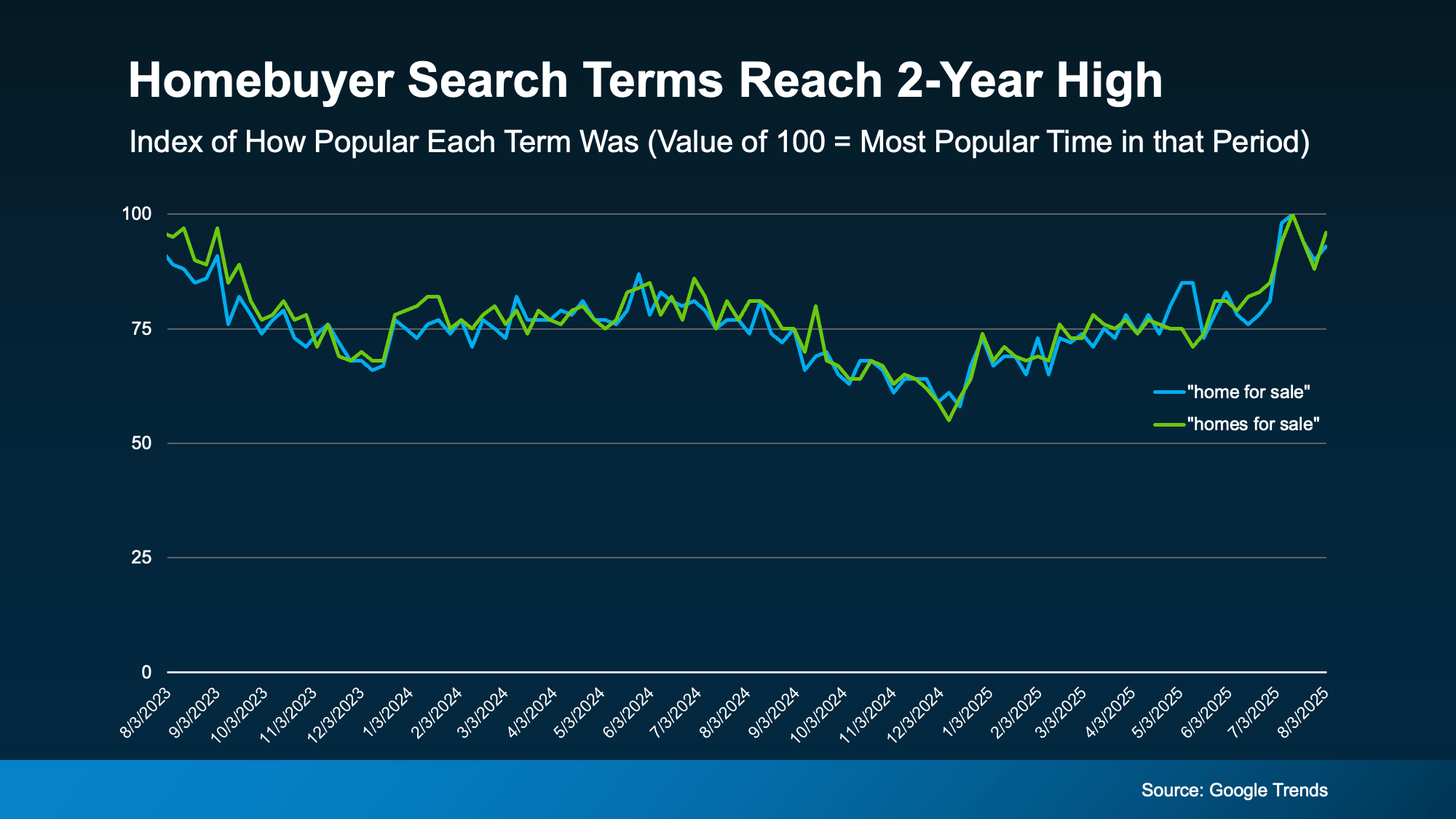 Here’s what really stands out in this data. Both phrases have been trending up overall this year, and they hit a recent high in mid-July. That’s a pretty strong sign that curiosity (and maybe even interest) in buying a home is improving.
That kind of momentum means something. Despite high mortgage rates and home prices, buyers haven’t given up. They're still watching the market. They’re still browsing. And many are just waiting for the right opportunity to act. Maybe your house is exactly what they’re looking for. But you’ll never know if it’s not listed yet.
Now, this doesn’t mean demand is going to surge like it did during the pandemic. It just means some buyers are deciding they can’t wait any longer. And those are exactly the kind of buyers you want. Motivated. Eager. Ready to move when the right house comes along.
So, if you’re holding off on selling because you’re not sure if the demand is there, this data suggests it might be time to rethink your plans. Because while it’s not 2021-level demand, it doesn’t need to be. You don’t need ten offers to sell your home. You just need the right buyer.
And that buyer may be searching for a house like yours right now.
Bottom Line
If you’ve been thinking, “I’ll sell once buyers come back,” you might want to take another look. Online search trends show they’re already interested.
What would make you feel confident putting your house on the market this year? Connect with a local real estate agent to talk through it.

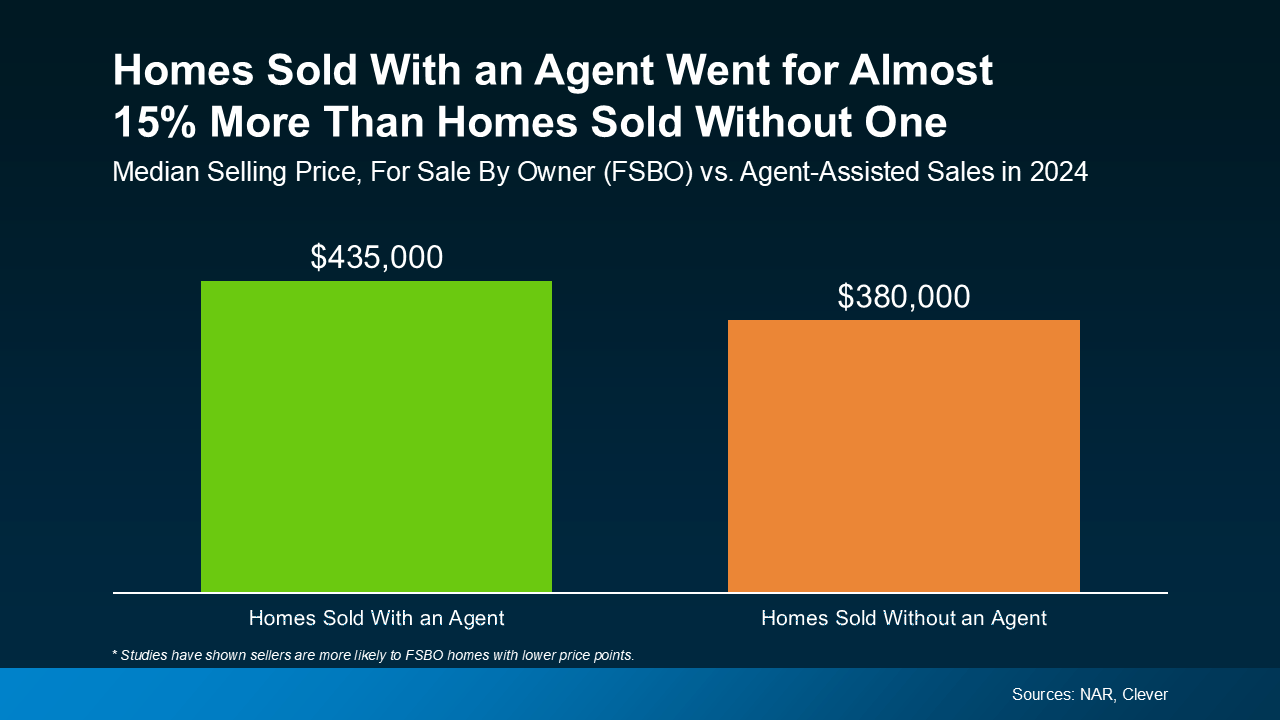 That gap is pretty hard to ignore. And with more homes on the market to compete with right now, selling on your own is a mistake that’s going to cost you.
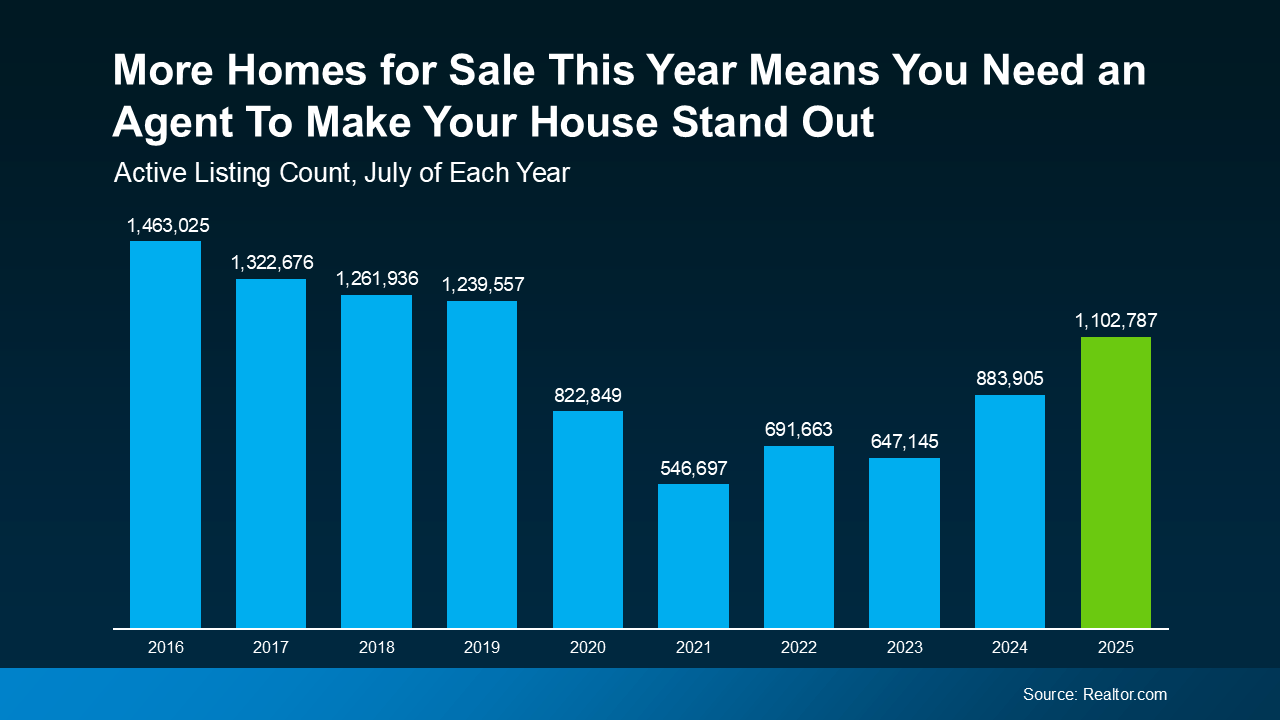 And while inventory growth is going to vary by local market, nationally, this graph shows the number of homes for sale is inching back toward normal.
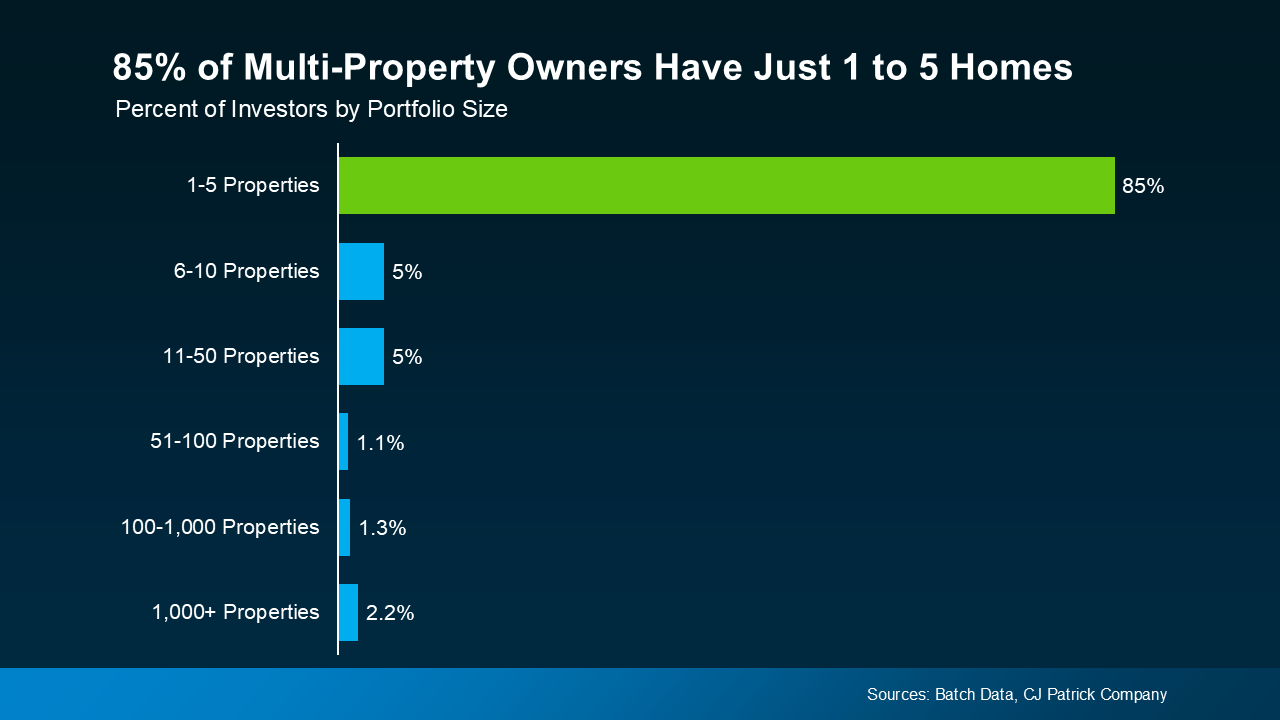 That means most who own multiple homes are people (not large investors) who’ve bought an extra home to rent out or hold onto for later.

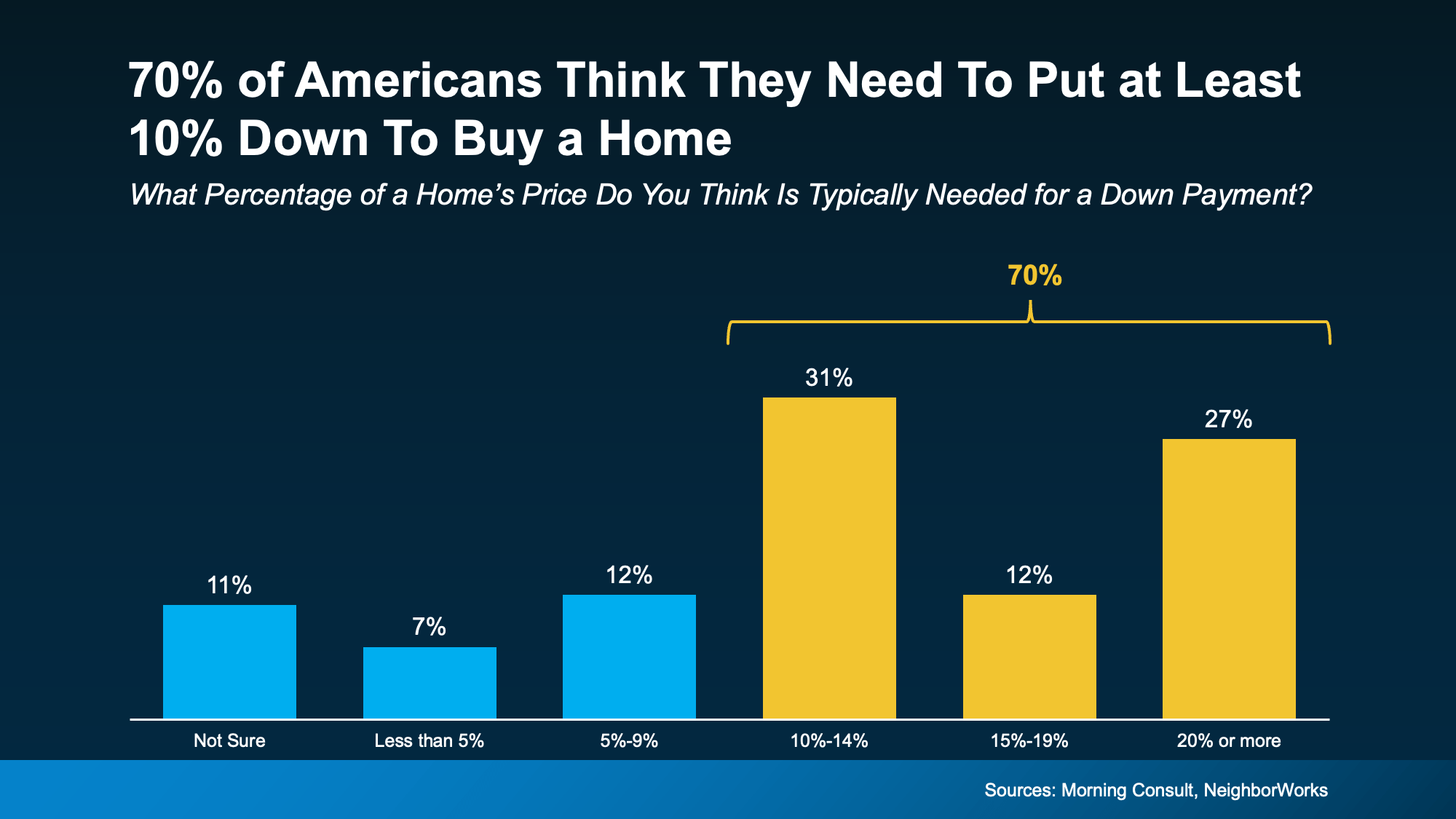 The truth? According to the National Association of Realtors (NAR), the typical down payment for first-time buyers has been between 6% and 9% since 2018. But there’s more to the story. If you qualify for an FHA loan, you may only need to put 3.5% down. And VA loans typically don’t require a down payment at all. So, there are options out there that can really make a difference for some buyers.
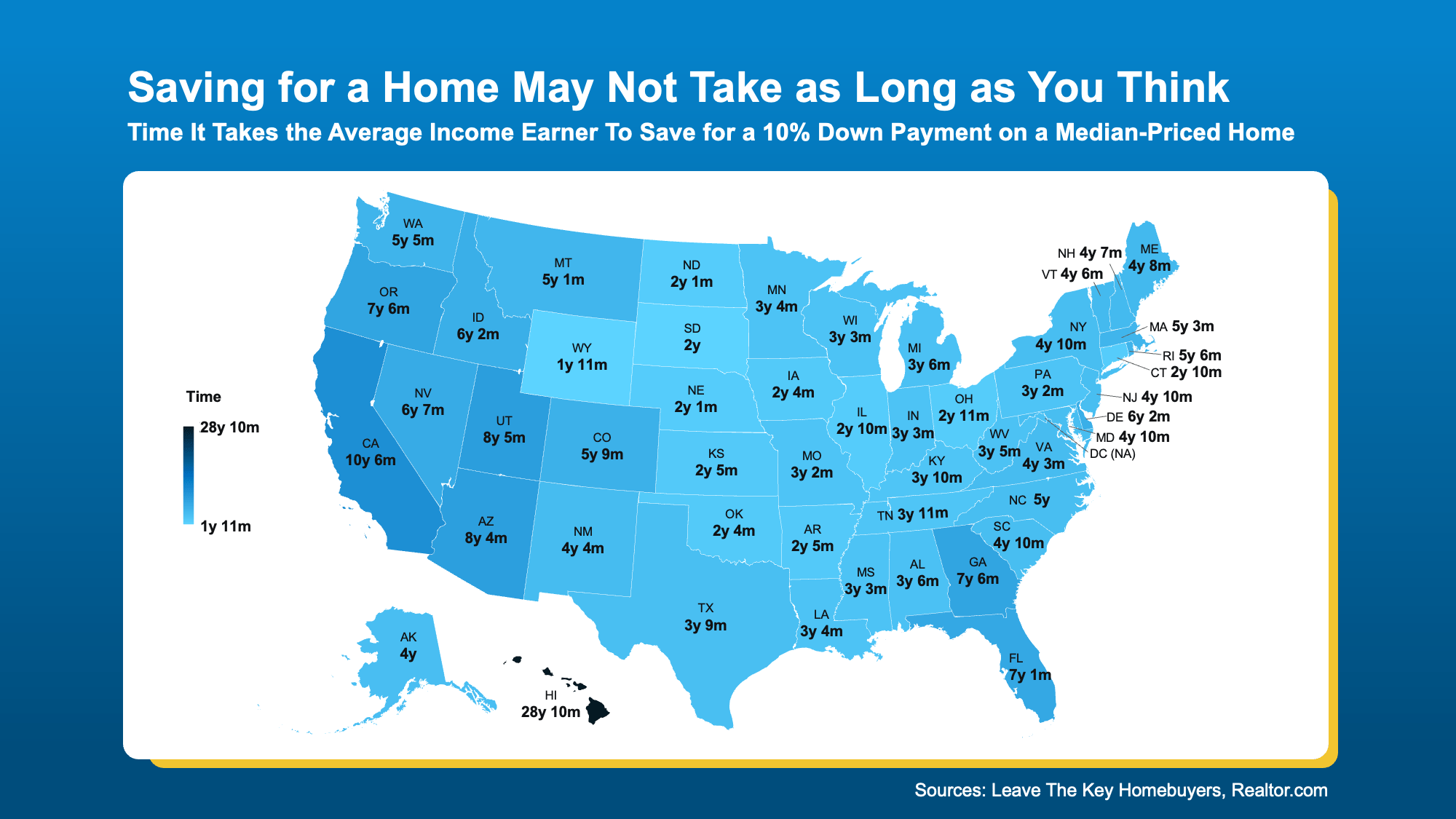 But remember, in most cases you won’t even need a down payment as large as 10%. Plus, no matter how much money you end up putting down, it won’t all have to come out of your pocket. Here’s why.
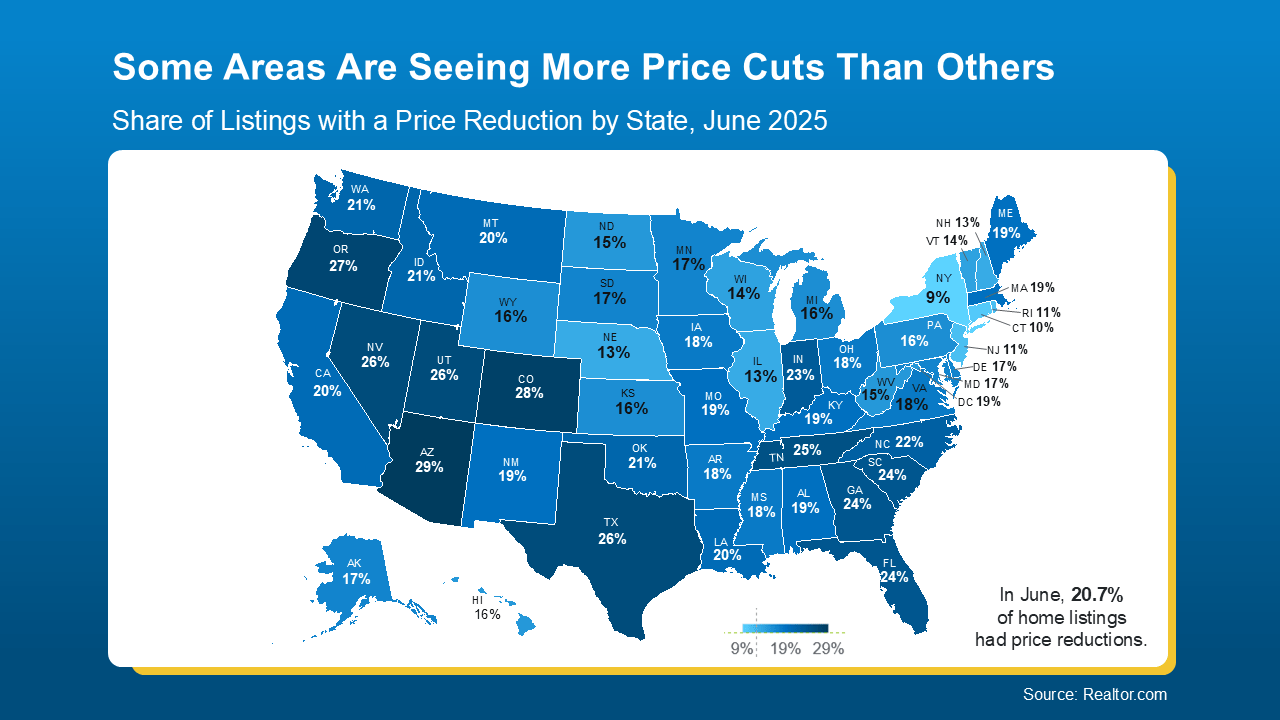 As Realtor.com explains:
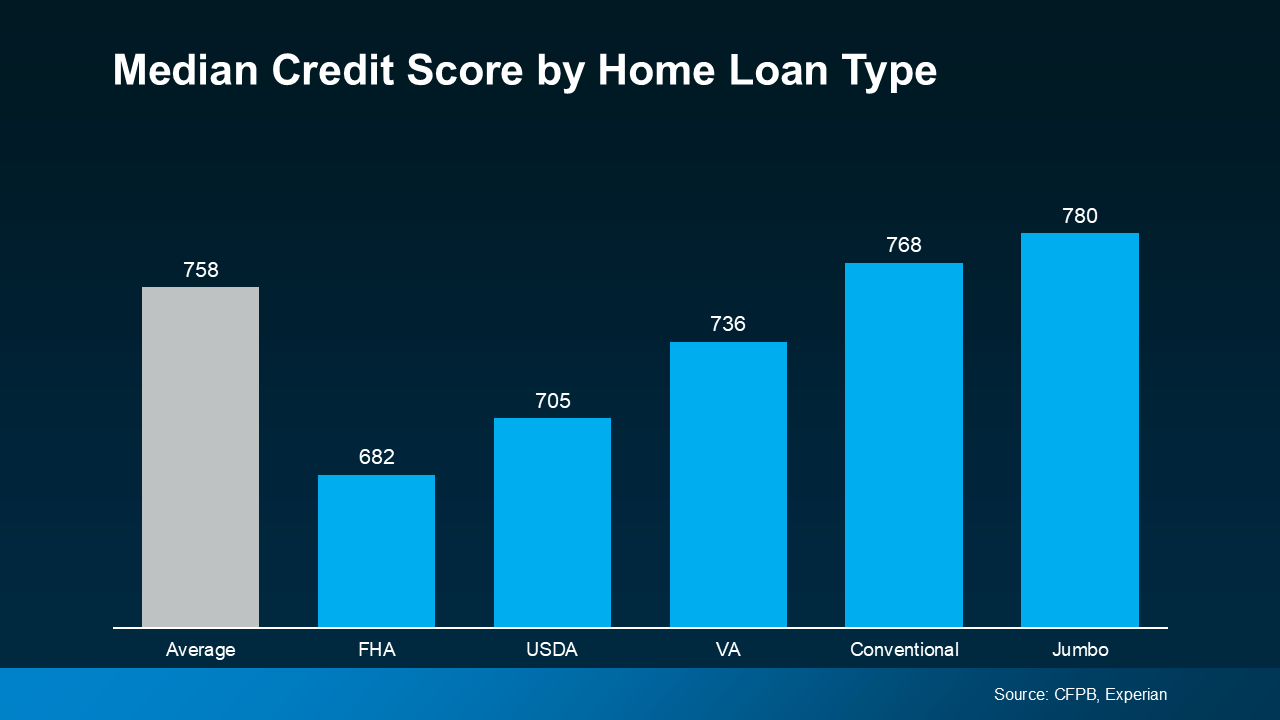 Here's what’s important to realize. The numbers vary, and there’s no one-size-fits-all threshold. And that could open doors you thought were closed for you. The best way to learn more is to talk to a trusted lender. As FICO explains:

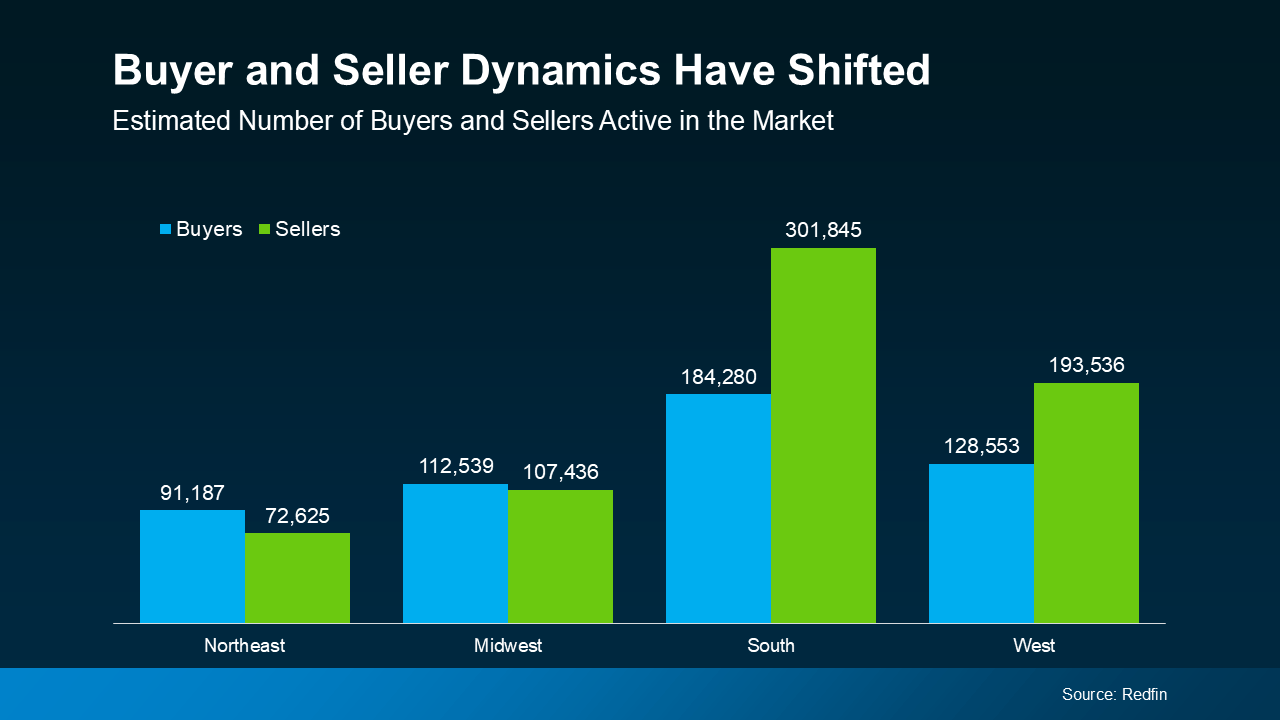 Today, the Northeast and Midwest are more likely to be seller’s markets. Buyers still outnumber sellers there, and that keeps things tilted in favor of homeowners. Generally speaking, homes are selling faster and prices are rising in those areas.
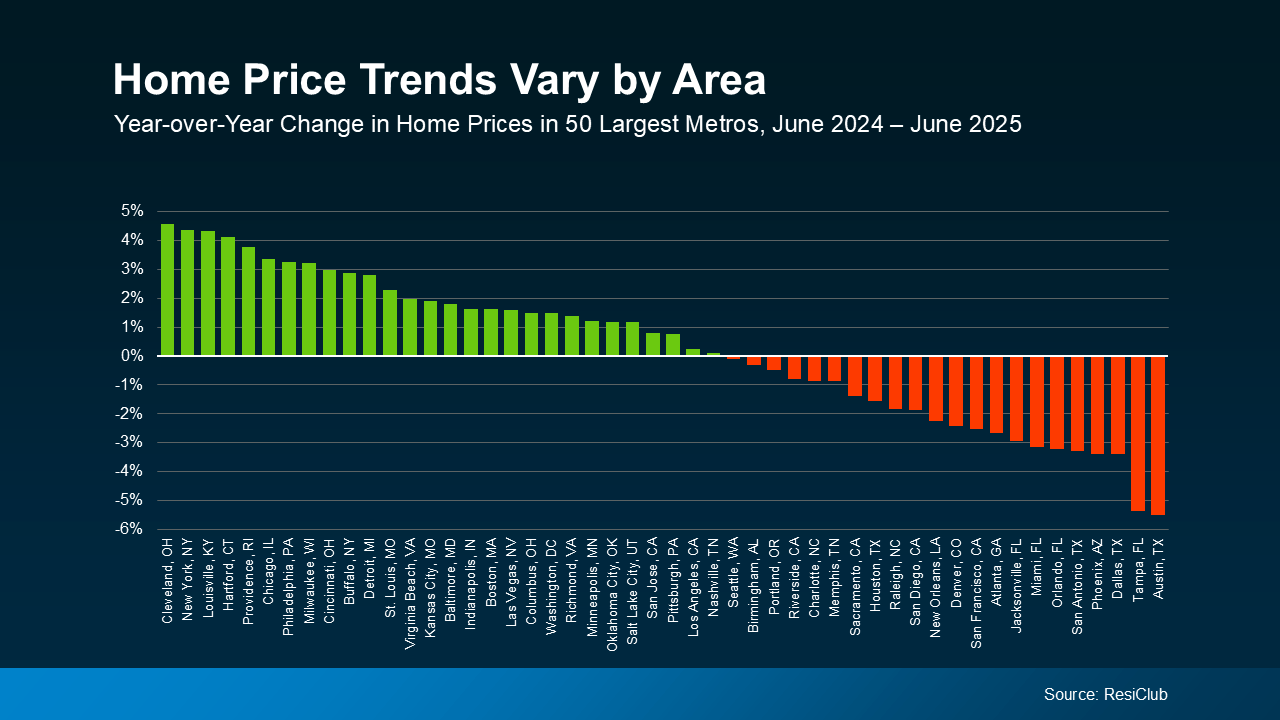 This is why it’s the tale of two markets. Roughly half of the top 50 metros are up, and half are relatively flat or down.
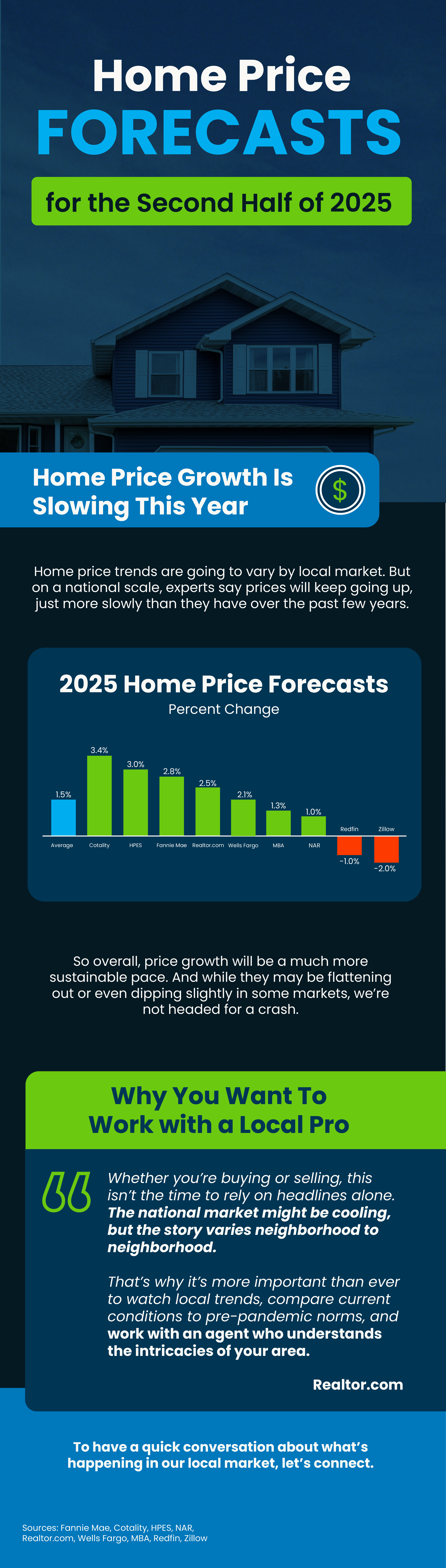
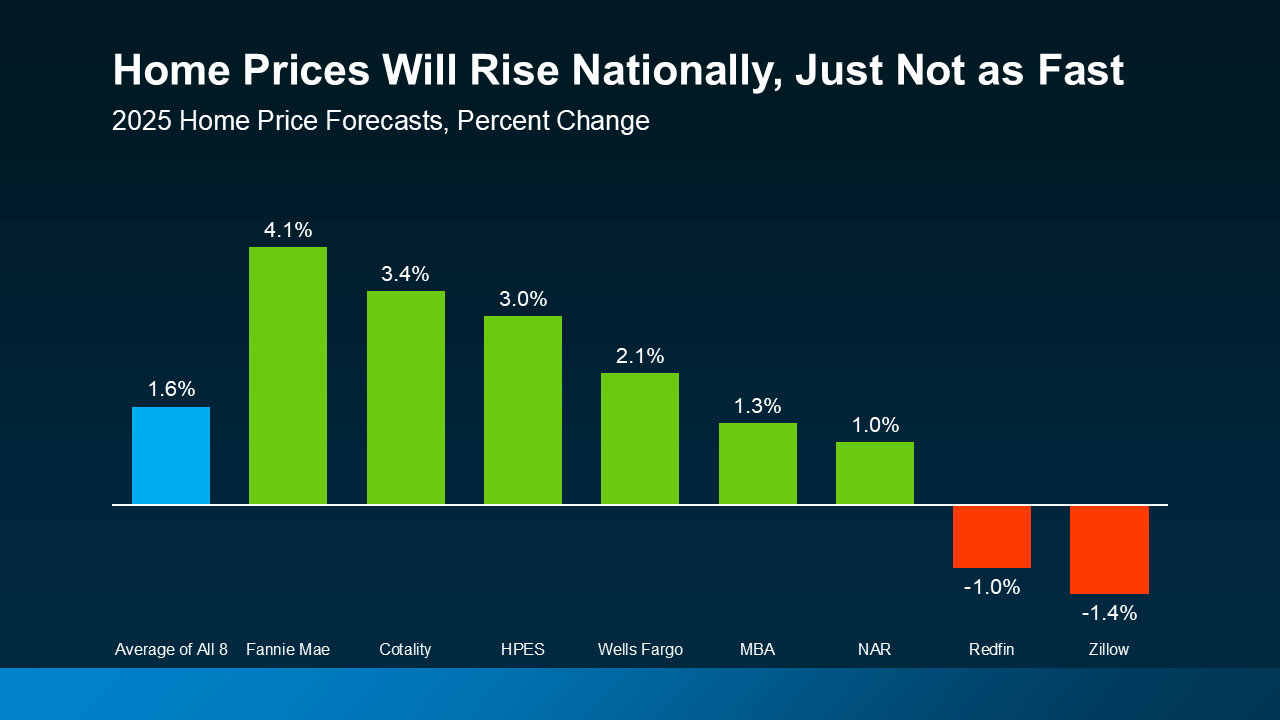 That means, if you’re waiting for a major drop, experts agree that’s just not in the cards.
 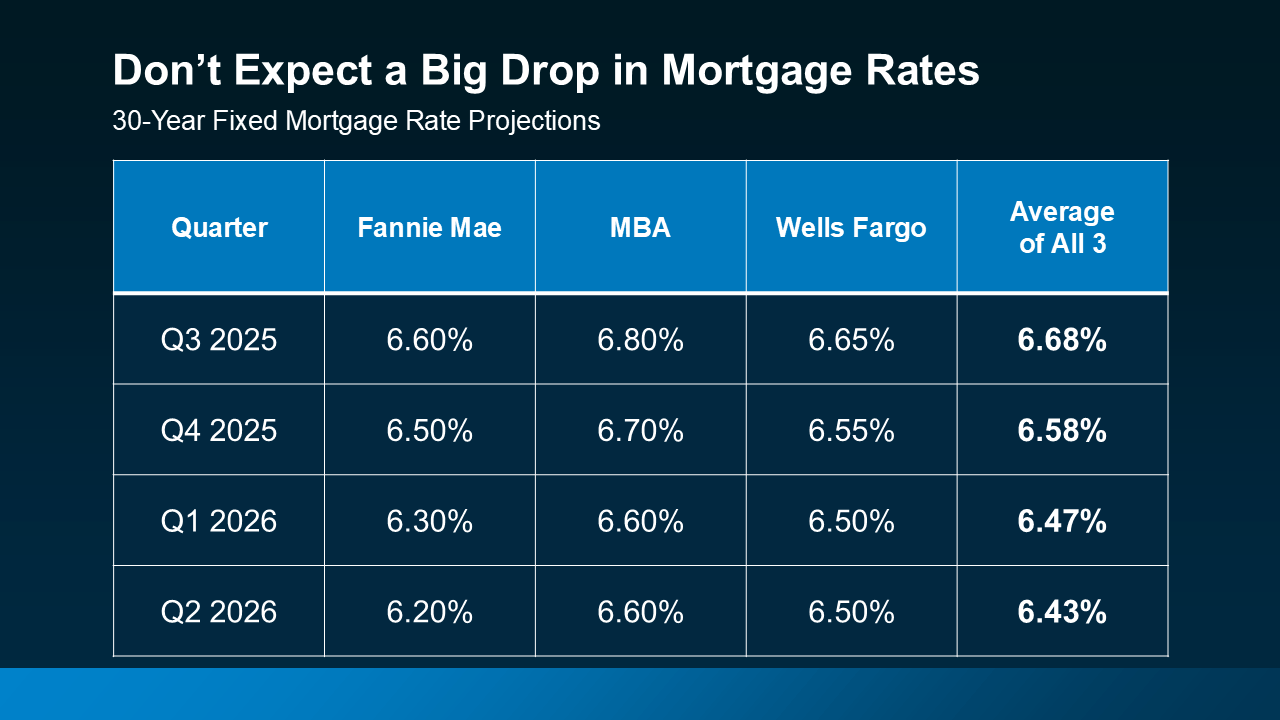 And that’s not a big change from where they are right now. So, if you need to move, let’s talk about how to make it happen and what you should watch for. Because while rates may not be as low as you want them to be, you don’t want to put your needs on the back burner, hoping for something the data shows isn’t likely to happen.