Some Highlights
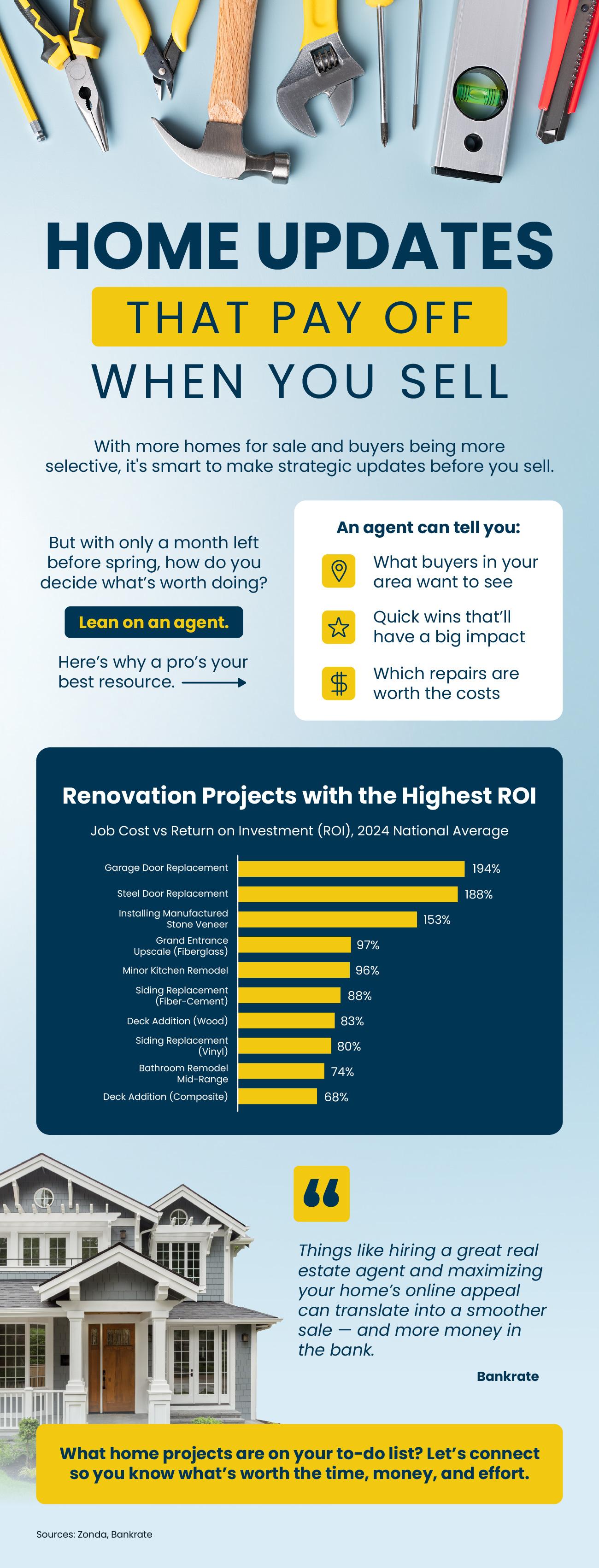
- With more homes for sale and buyers being more selective, it’s smart to make strategic updates. But how do you decide what’s worth doing? You lean on an agent.
- An agent will be able to tell you what buyers want, quick wins that’ll have a big impact, and what projects have the best ROI.
- What projects are on your to-do list before selling? With only a month left before spring, connect with a local agent so you know what’s worth the time and effort.

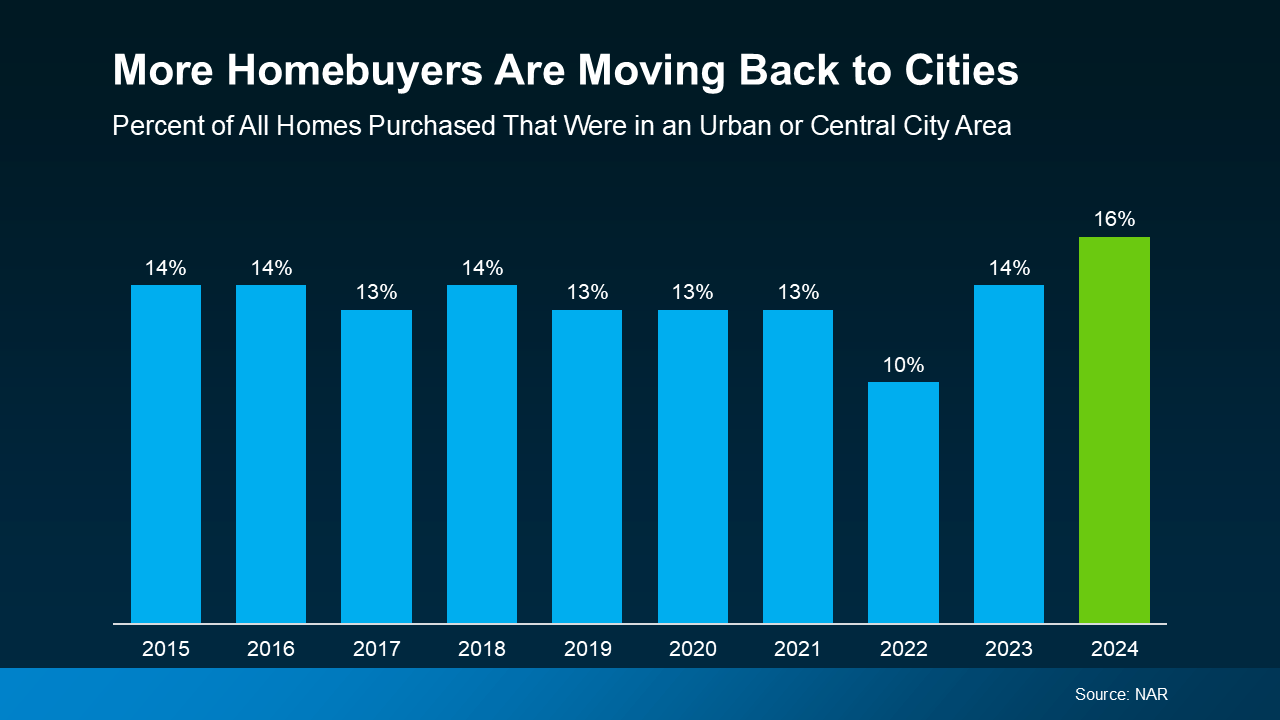 And data from BrightMLS seems to confirm this trend. In a recent survey, 1 in 5 (20.6%) people looking to buy say they want to live in the city.
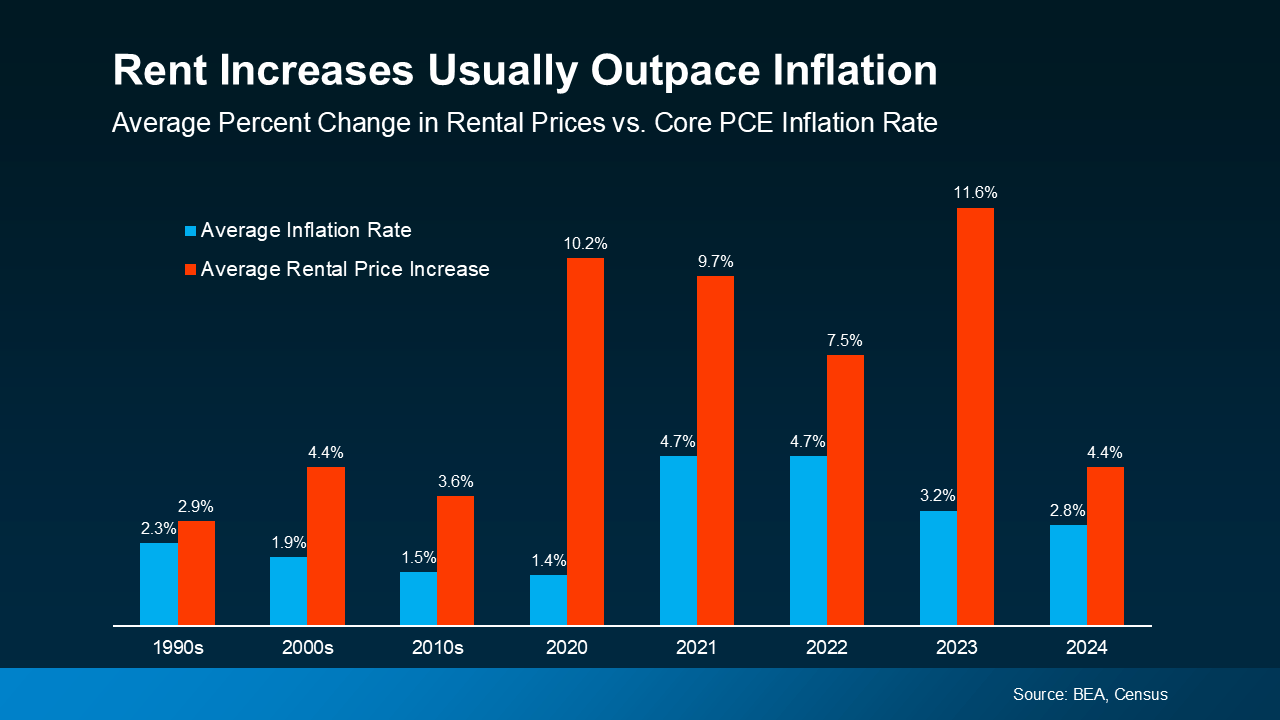 So, while renters face higher costs year after year, homeowners with a fixed mortgage rate lock in their monthly payments, making it easier to budget no matter what happens with inflation.
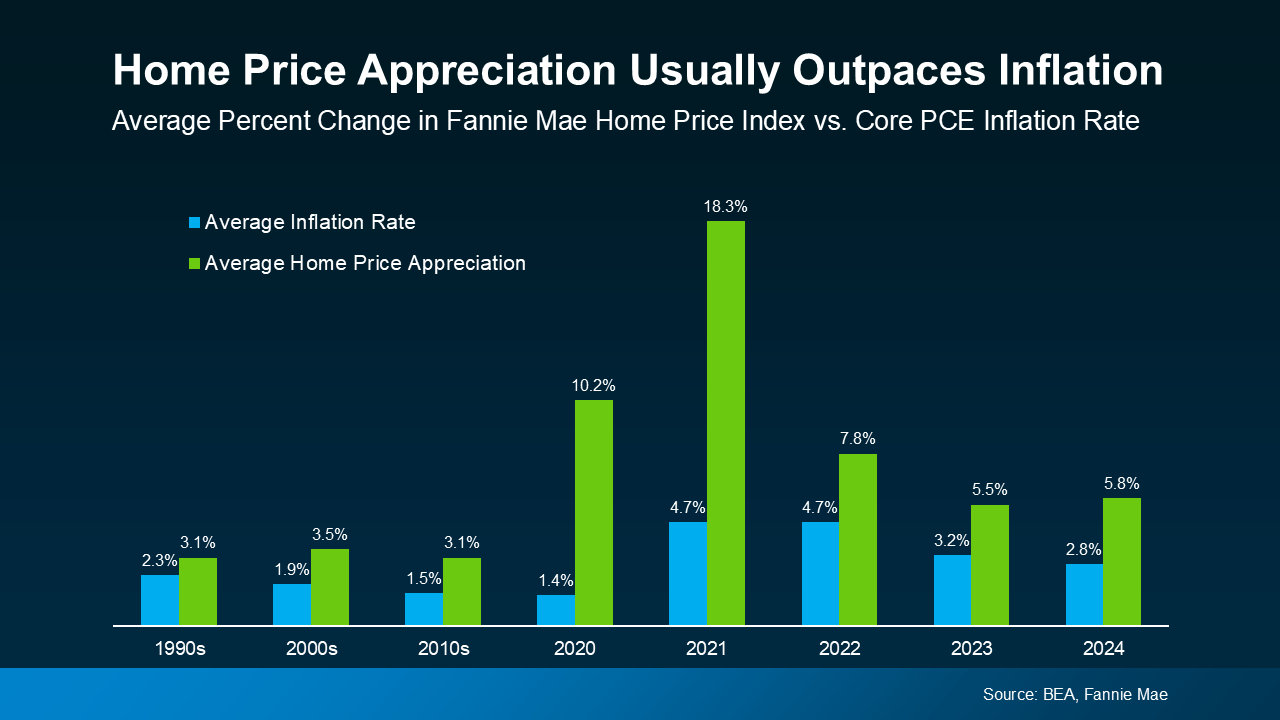 That makes real estate one of the strongest long-term investments during times of rising prices. While inflation can chip away at the value of cash savings, real estate typically holds or grows in value, allowing you to build wealth.
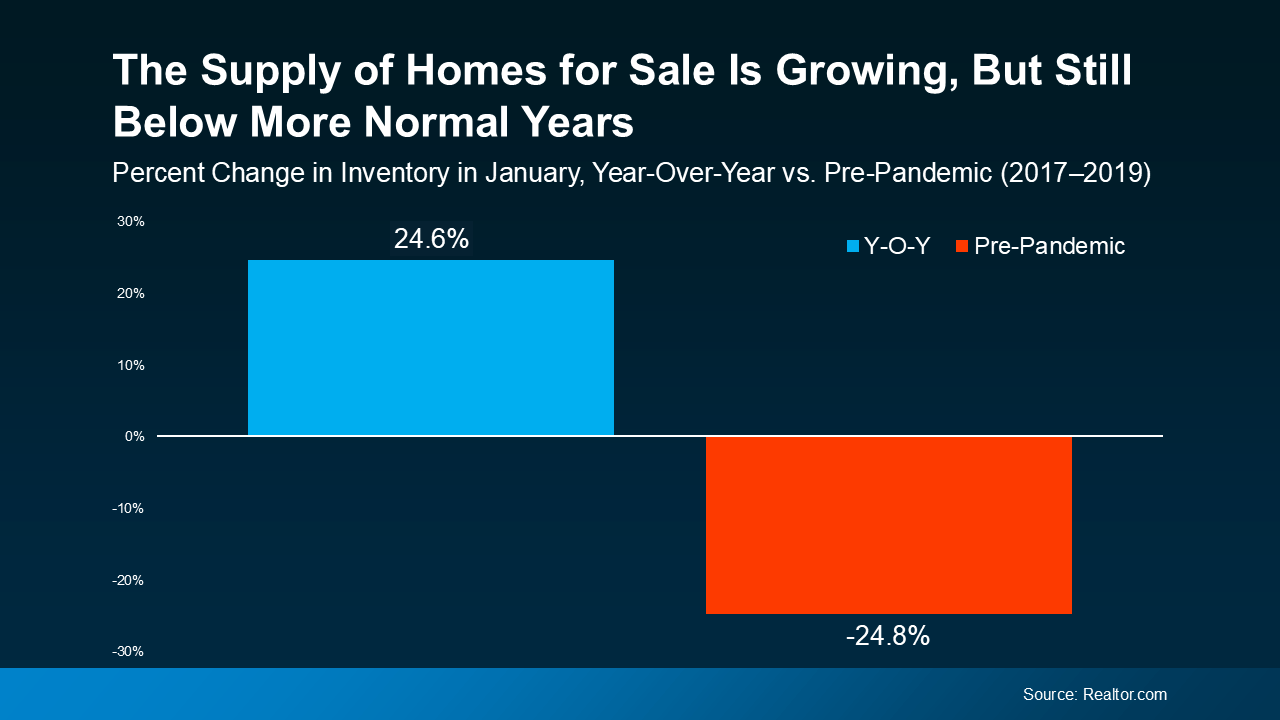 Even though inventory is still below more normal pre-pandemic levels, it’s improved a lot in the past year. And the best part is, experts say it’ll grow another 10 to 15% this year. That means you have more options for your move – and the best chance in years to find a home you love.


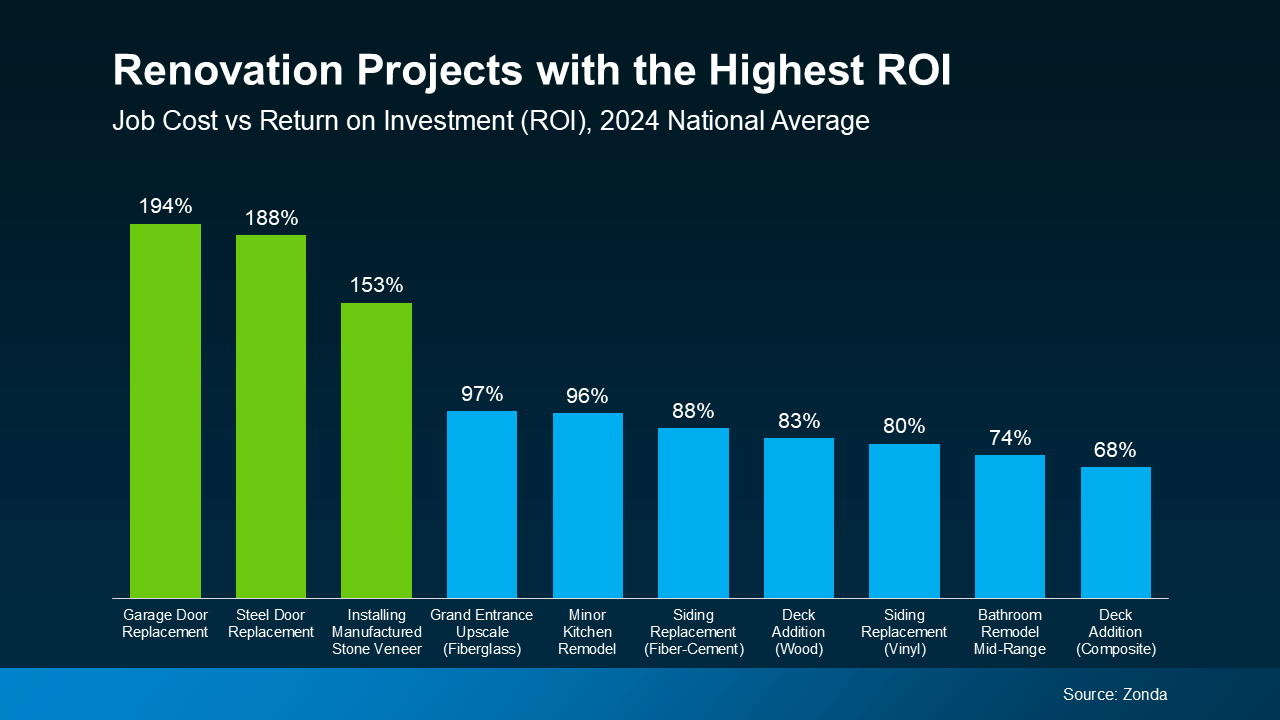 That’s why it’s so important to talk to a local real estate agent before you dive into any repairs. Bankrate puts it best:
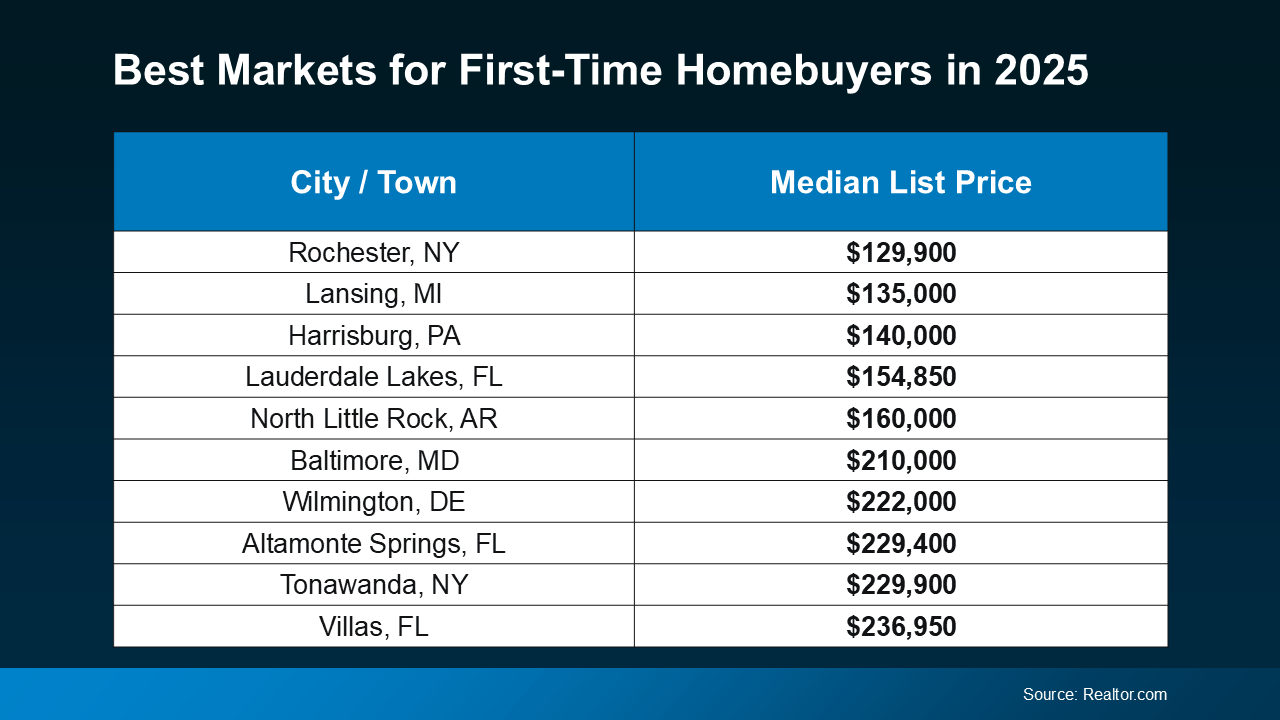 Of course, moving to a different state isn’t for everyone – and isn’t a necessity. The right agent can help you find more cost-effective options wherever you are.
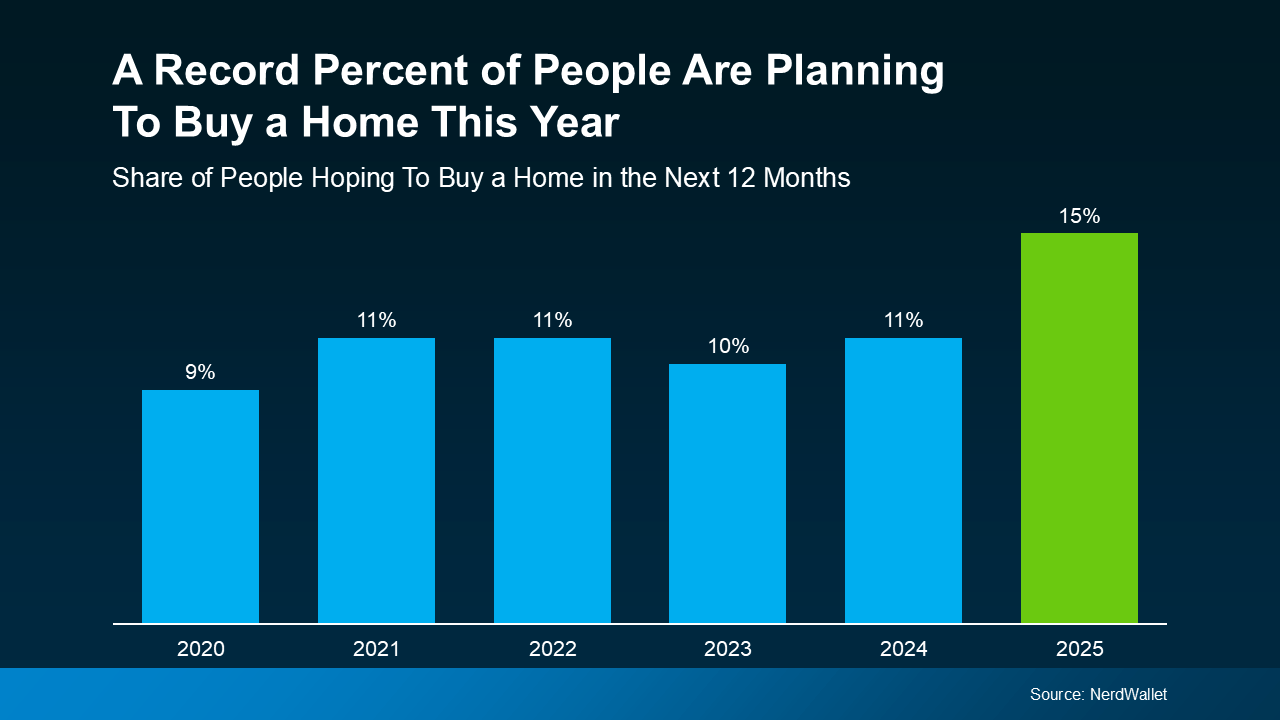 Here's why this is such a big deal. The percentage has been hovering between 9-11% since 2020. This recent increase shows buyer demand hasn’t disappeared – if anything, it indicates there’s pent-up demand ready to come back to the market.
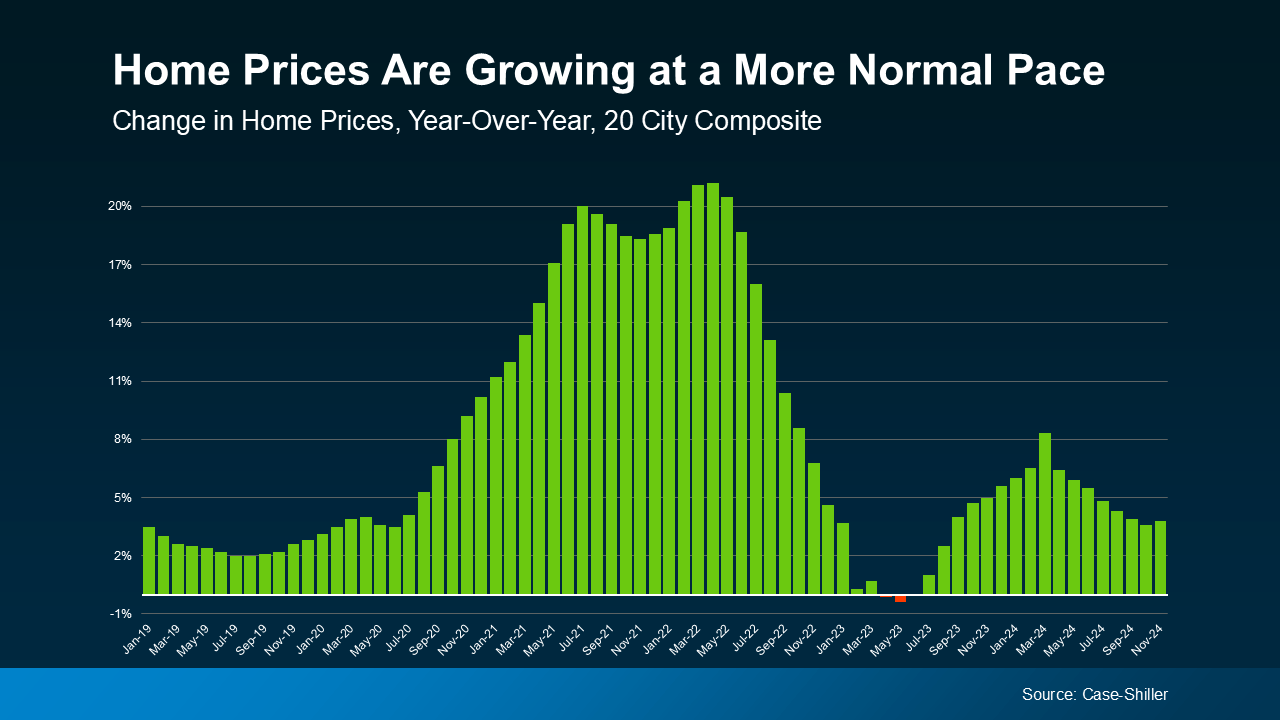 This more normal home price growth might make buying a home feel more attainable for many buyers. You won’t face the same sticker shock or rapid price jumps that made it hard to plan your purchase just a few years ago.
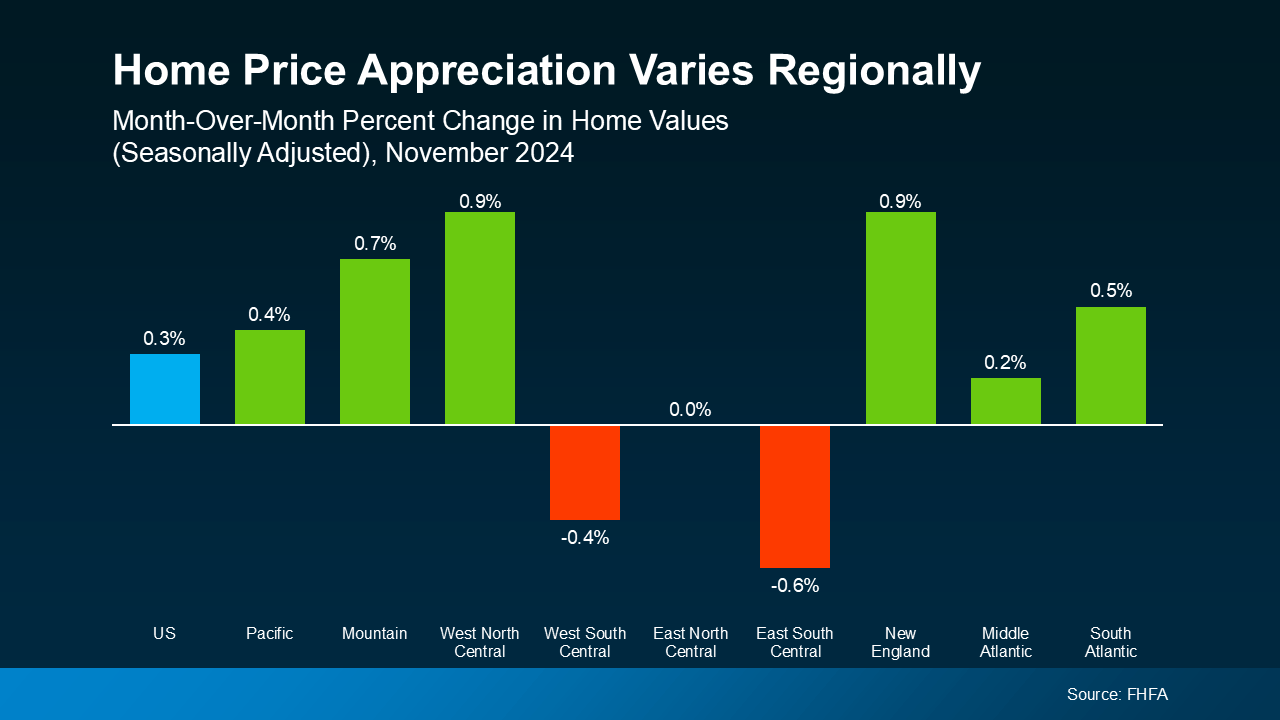 What does this mean for you? It’s crucial to understand what’s happening in your local market. A national average can’t tell the whole story. That’s where working with a local real estate agent can really help. They have the tools and expertise to give you the full picture of what’s happening in your area and how to plan for that in your move.