Are you wondering if you’re on track to retire someday?
According to Intuit, 69% of people say today’s financial environment makes it tough to plan for the future, and 68% aren’t sure they’ll ever be able to retire. That’s why many people are exploring new ways to build stability and long-term income.
And that’s where real estate comes in.
Why Real Estate? Here’s What It Can Do for You
If you’re able to make the numbers work, buying a second home can be a powerful tool for your future retirement. It could help you:
- Build wealth over time: As home prices rise through the years, your second home should grow in value and increase your net worth.
- Generate extra income: Renting the home could bring in some extra income you can add to your existing retirement savings. Just remember, some of the rent coming in will need to be used to pay that mortgage and maintain that house.
- Profit in the future: You may decide to sell the second home down the road and use the profit from that sale to give your retirement funds a boost.
- Diversify your financial assets: Real estate offers a tangible asset that can help reduce your dependence on just stocks or savings, making your overall financial picture more stable.
Most Second Homeowners Aren’t Big Investors
And if you’re thinking: wait, owning multiple homes is only for big investors – data shows that's not necessarily true. Many homeowners who buy an additional property aren’t the big investors you hear so much about. They’re people like your neighbors.
In fact, data from BatchData and CJ Patrick Company shows 85% of people who own more than one property have just 1 to 5 homes (see graph below):
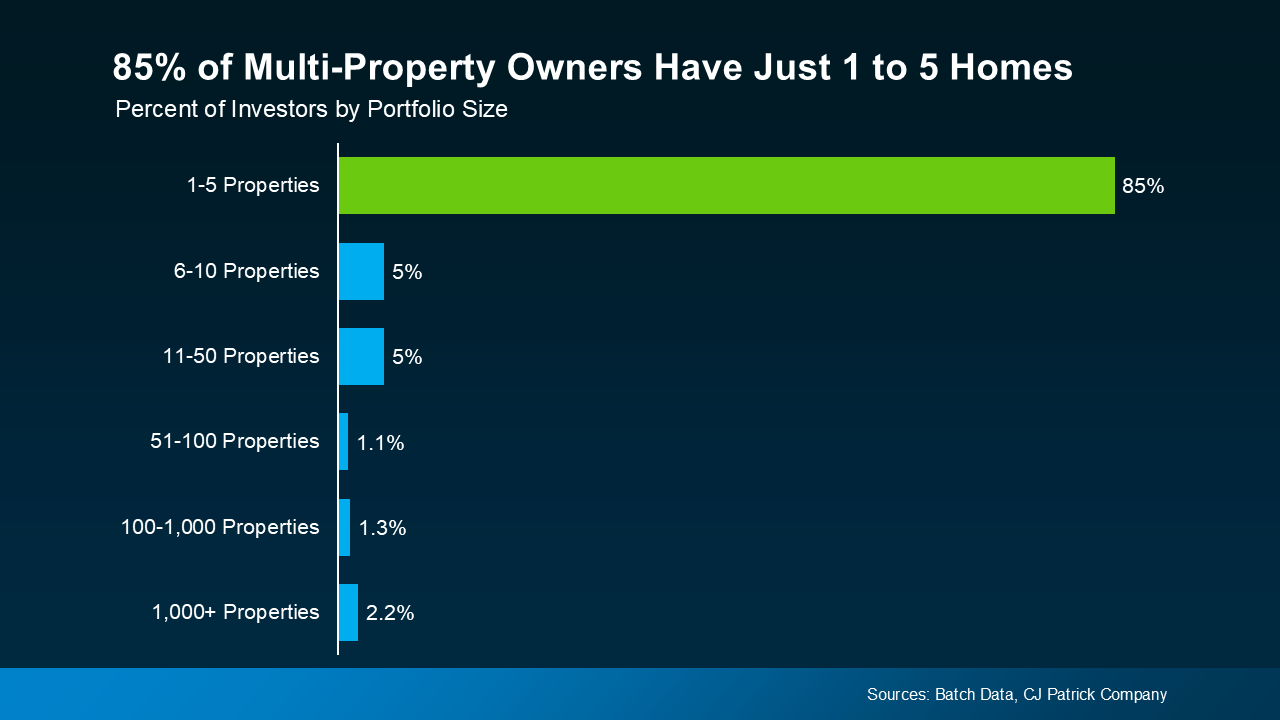 That means most who own multiple homes are people (not large investors) who’ve bought an extra home to rent out or hold onto for later.
Why Now Might Be the Right Time
And right now, the door may be opening for buyers like you. According to Danielle Hale, Chief Economist at Realtor.com:
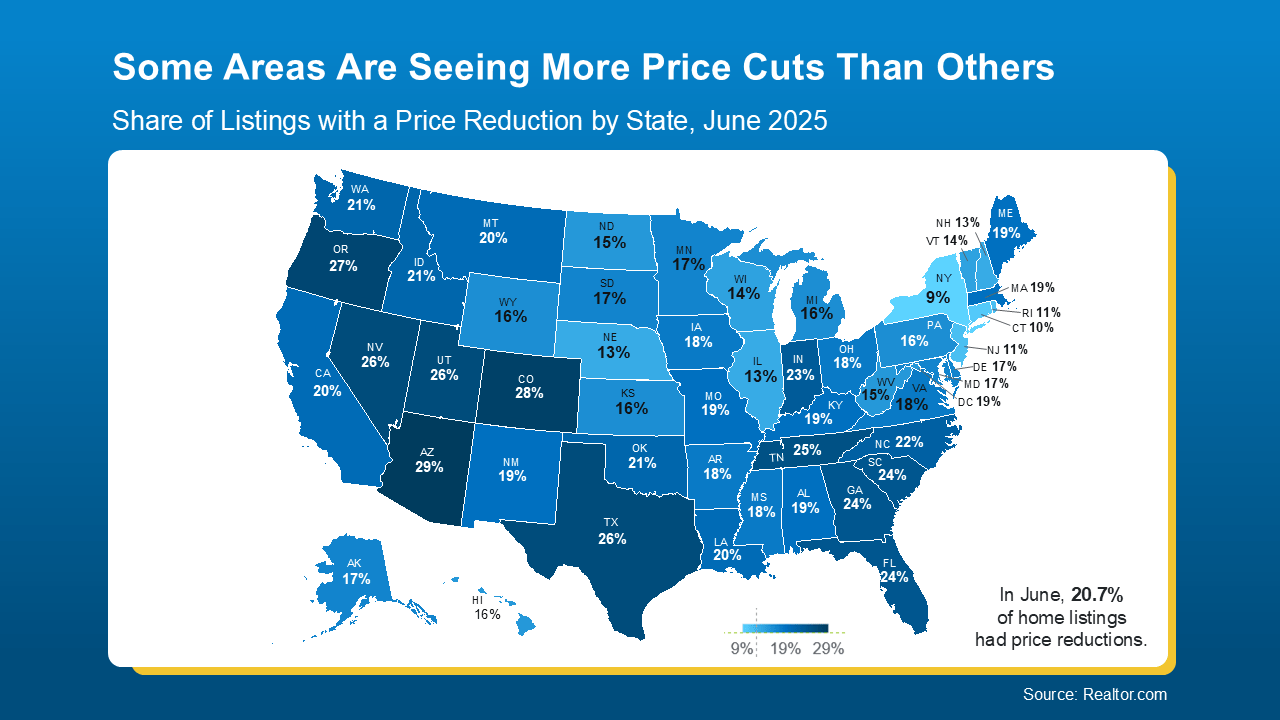
“. . . the balance of power in the housing market keeps shifting in favor of homebuyers. . . A confluence of factors—including more homes for sale, rising price cuts, and slower-moving inventory—is giving buyers more leverage than they've had in years . . .”
If you live in an area where home prices are expected to rise, buying another property now and selling it later could help fund your future. Or you could rent it out and earn income now.
Start with Just a Few Trusted Pros
If this idea sounds interesting, the most important first step is to connect with a few key people who can guide you through the process:
- A local real estate agent who understands the market
- A lender who specializes in second home or investment loans
Surrounding yourself with the right pros can help you make confident decisions from day one.
Bottom Line
Talk with a local real estate agent about what’s possible. They’d love to help you explore whether owning a second home could bring you more security and peace of mind for the road ahead.
If a second home could help you retire earlier or with more freedom, would you want to take a closer look?

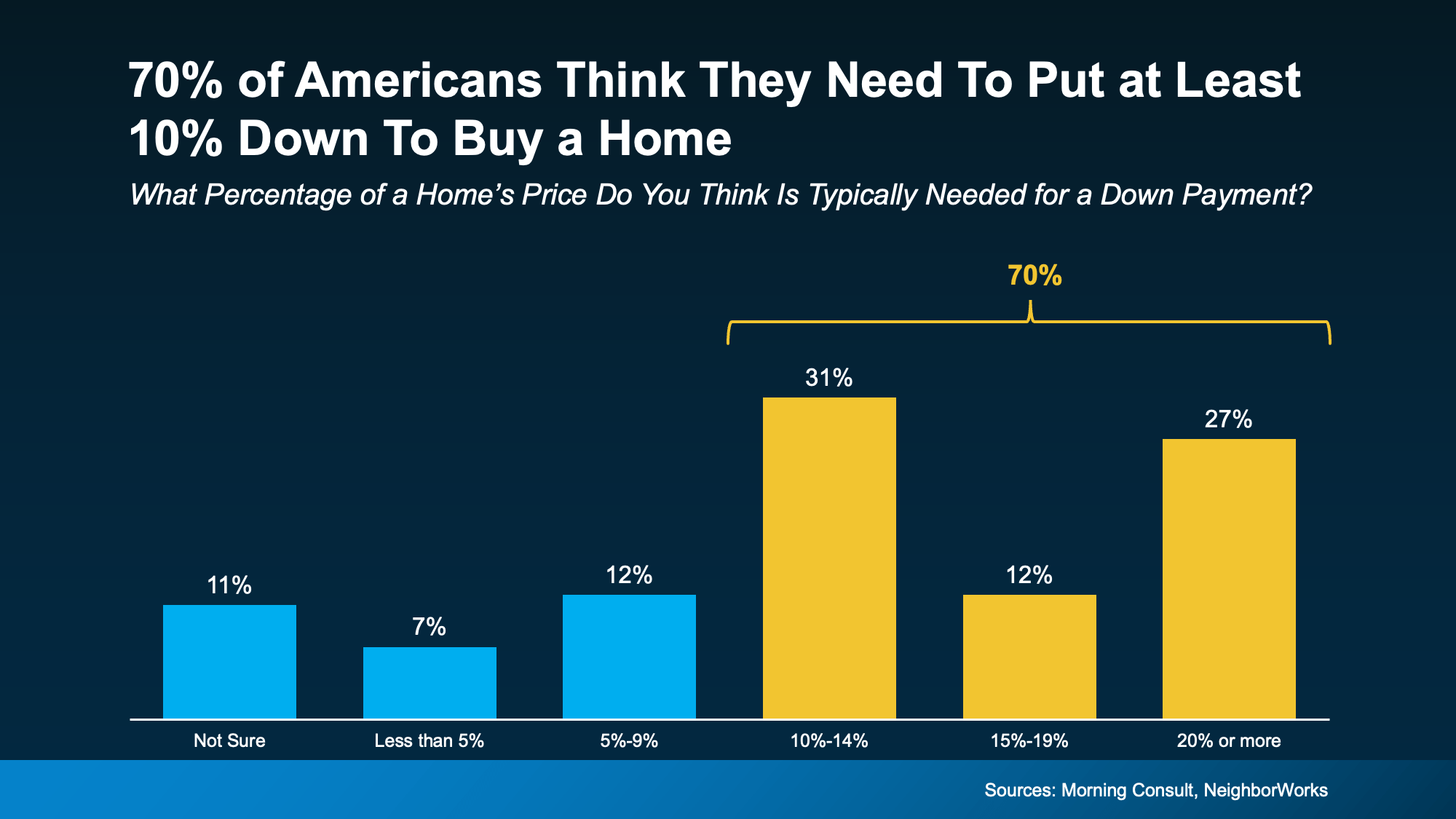 The truth? According to the National Association of Realtors (NAR), the typical down payment for first-time buyers has been between 6% and 9% since 2018. But there’s more to the story. If you qualify for an FHA loan, you may only need to put 3.5% down. And VA loans typically don’t require a down payment at all. So, there are options out there that can really make a difference for some buyers.
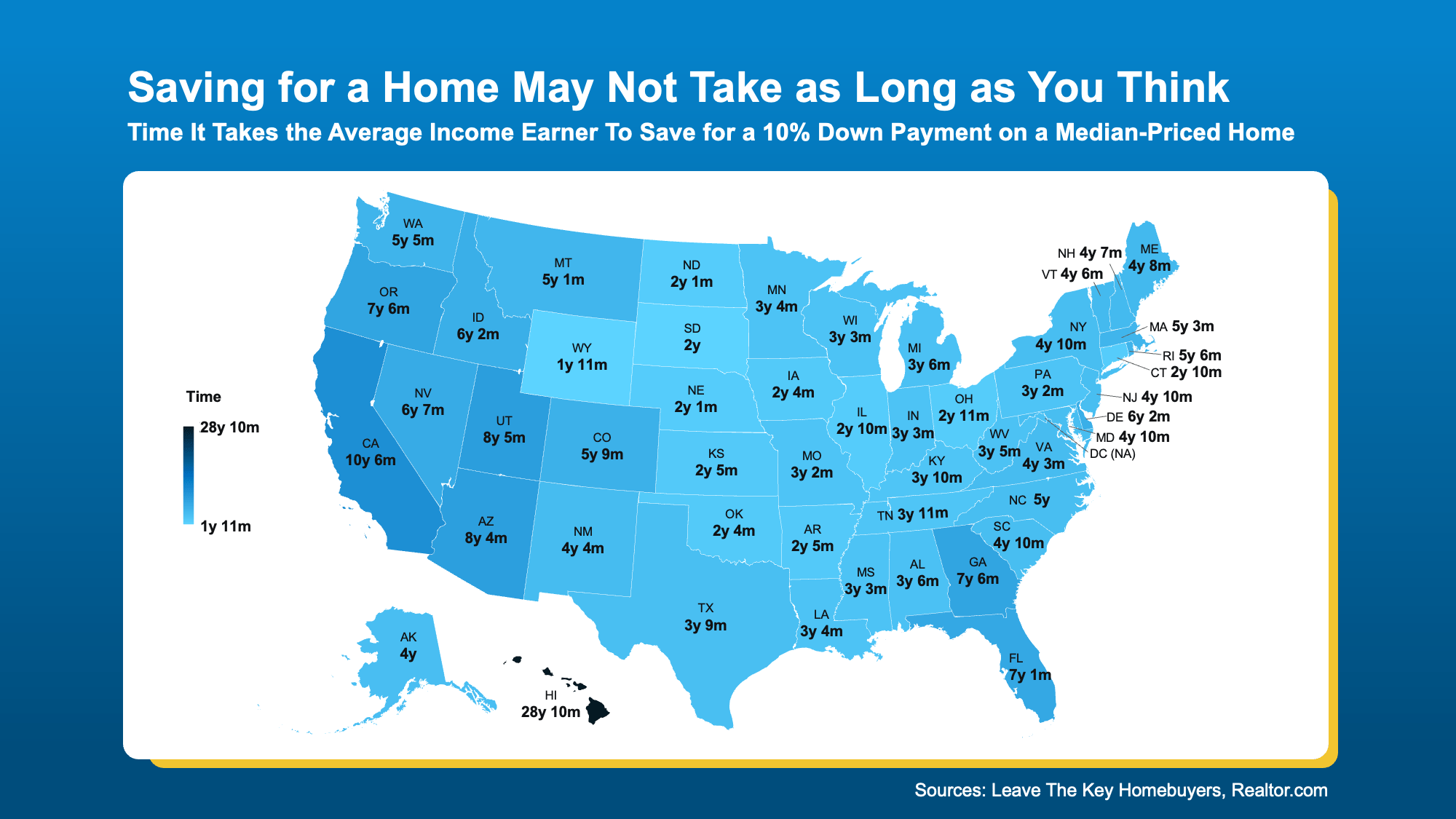 But remember, in most cases you won’t even need a down payment as large as 10%. Plus, no matter how much money you end up putting down, it won’t all have to come out of your pocket. Here’s why.
 As Realtor.com explains:
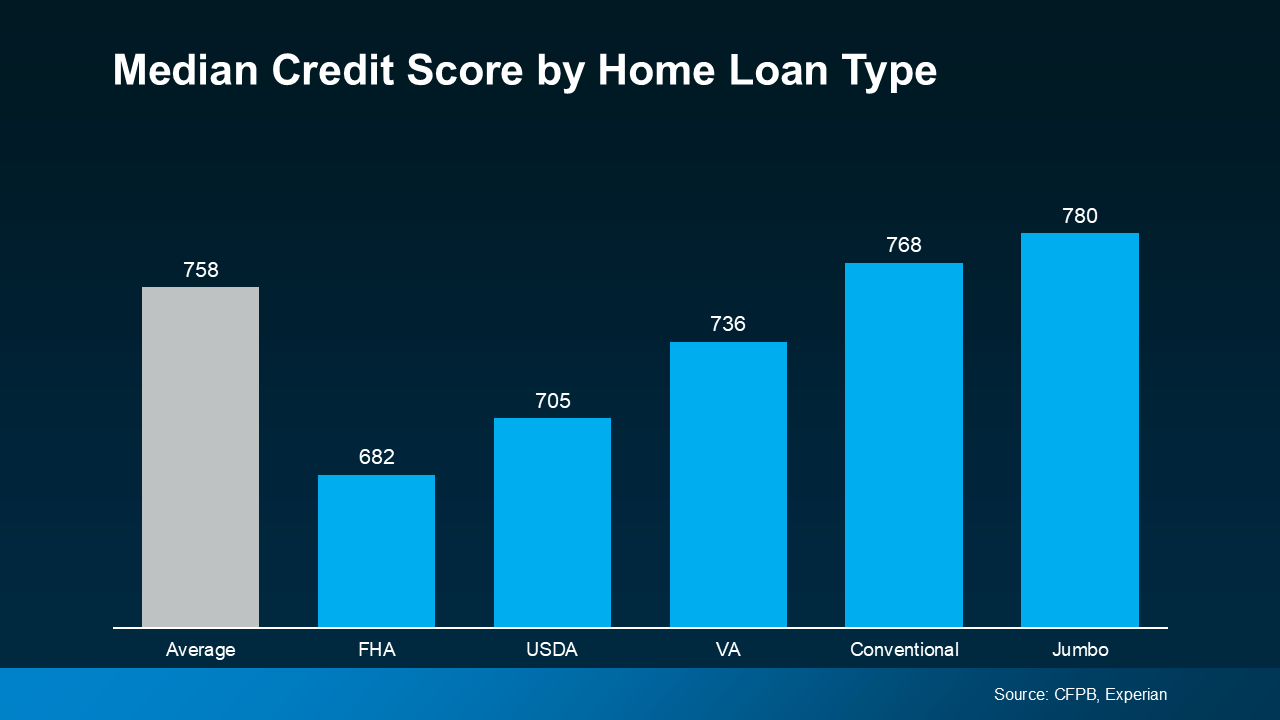 Here's what’s important to realize. The numbers vary, and there’s no one-size-fits-all threshold. And that could open doors you thought were closed for you. The best way to learn more is to talk to a trusted lender. As FICO explains:
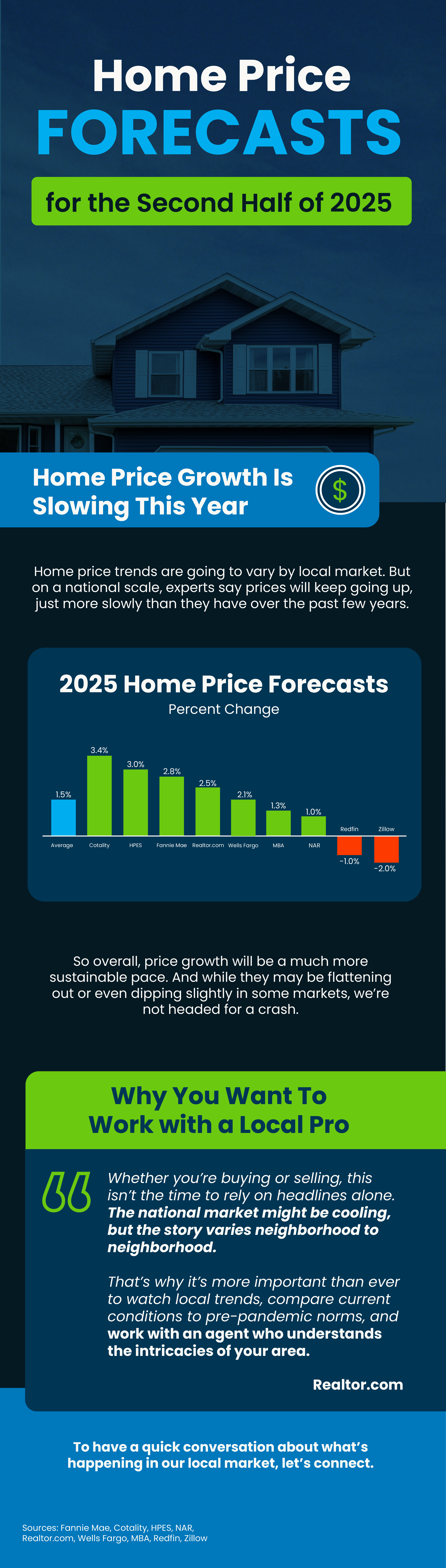
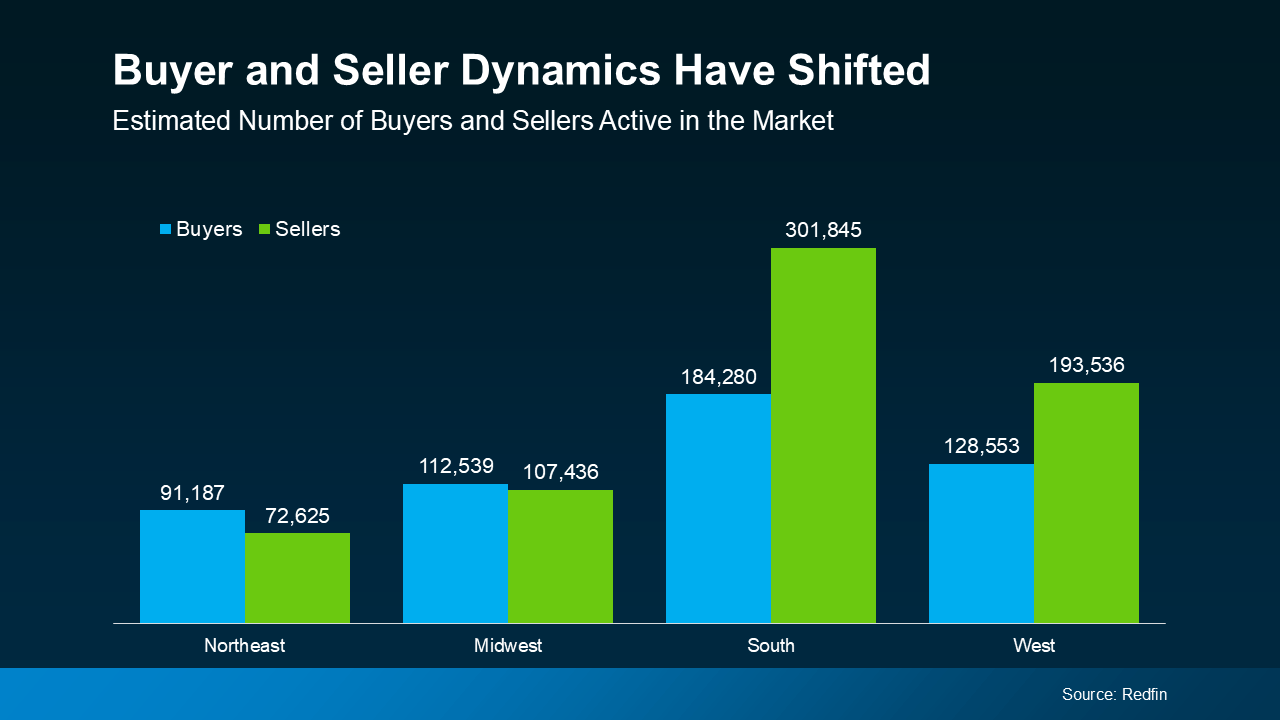 Today, the Northeast and Midwest are more likely to be seller’s markets. Buyers still outnumber sellers there, and that keeps things tilted in favor of homeowners. Generally speaking, homes are selling faster and prices are rising in those areas.
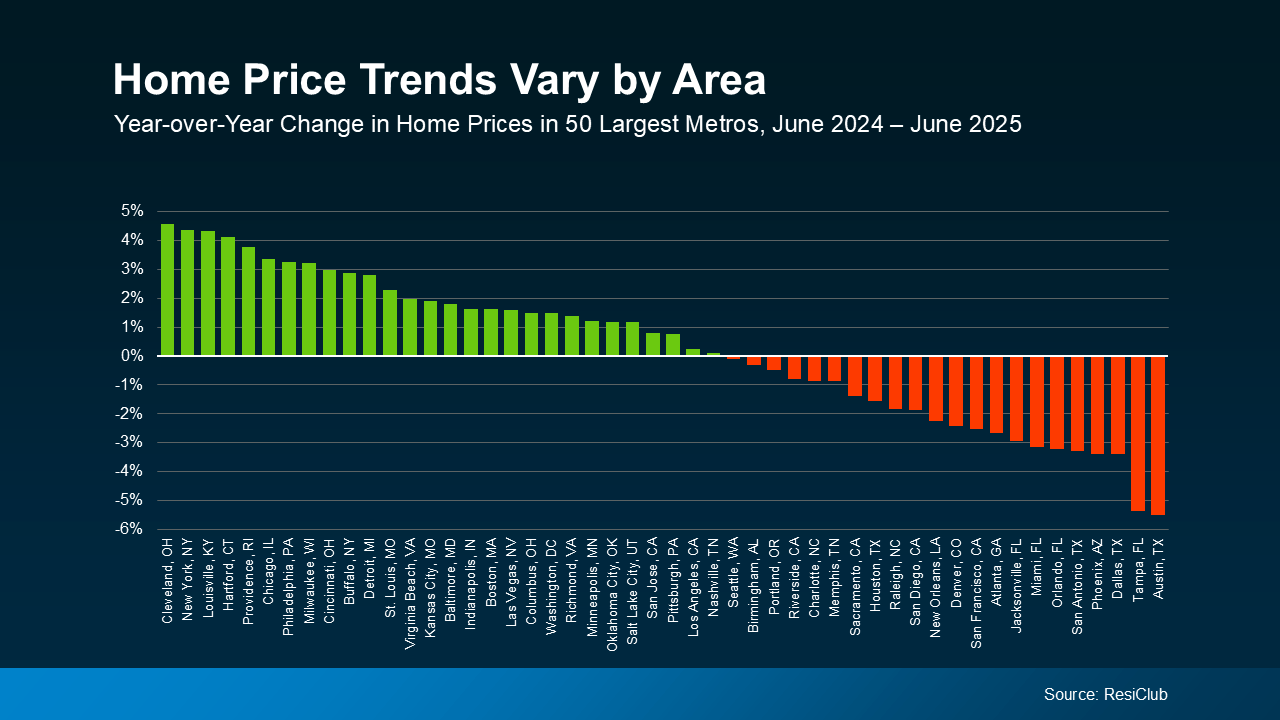 This is why it’s the tale of two markets. Roughly half of the top 50 metros are up, and half are relatively flat or down.
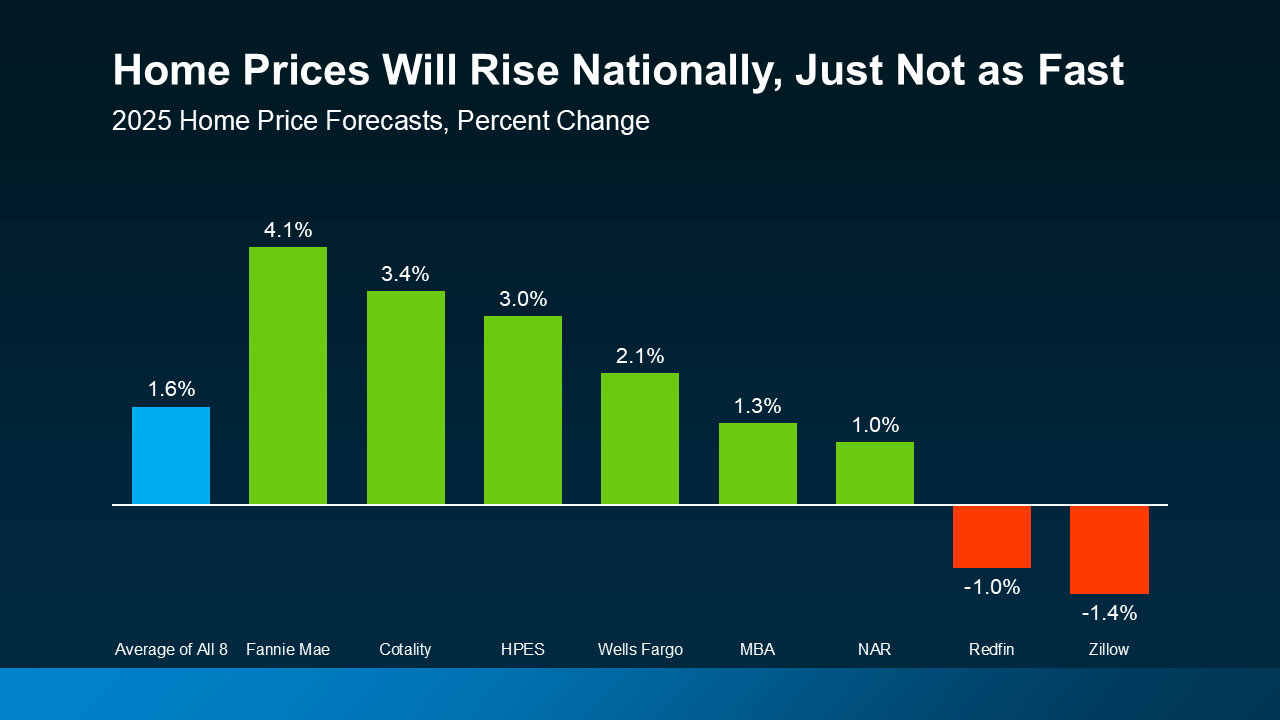 That means, if you’re waiting for a major drop, experts agree that’s just not in the cards.
 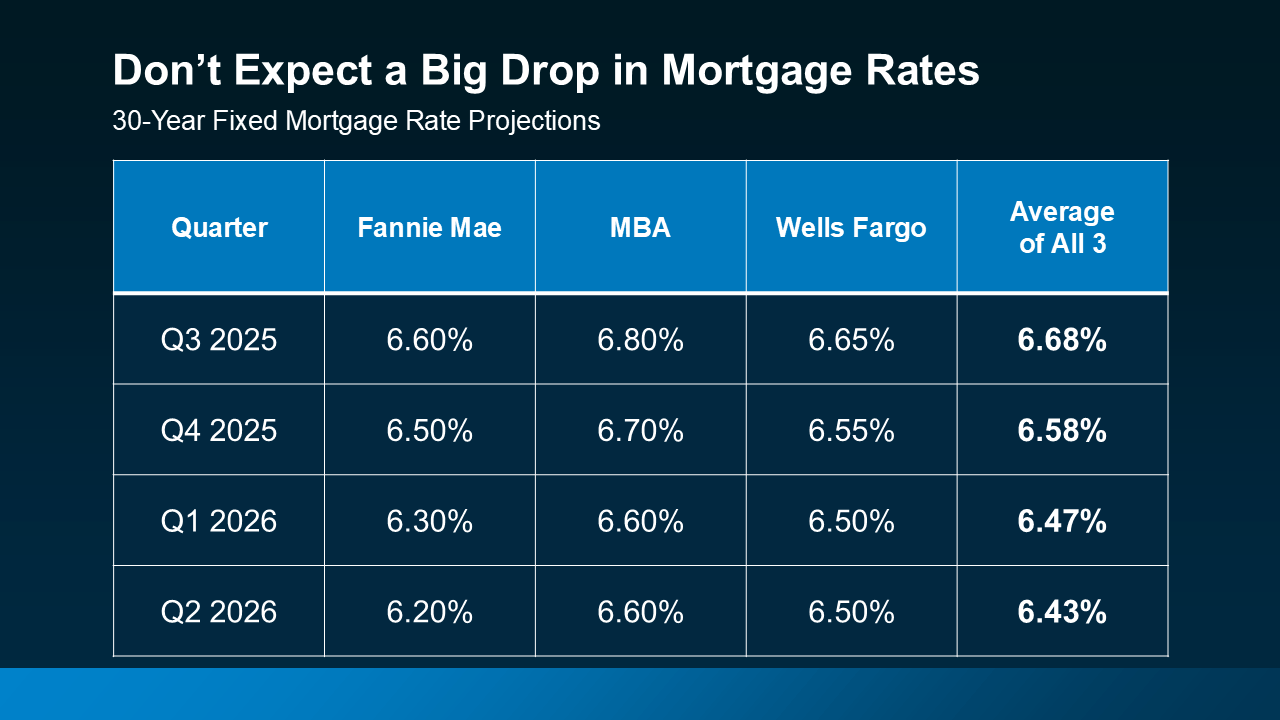 And that’s not a big change from where they are right now. So, if you need to move, let’s talk about how to make it happen and what you should watch for. Because while rates may not be as low as you want them to be, you don’t want to put your needs on the back burner, hoping for something the data shows isn’t likely to happen.
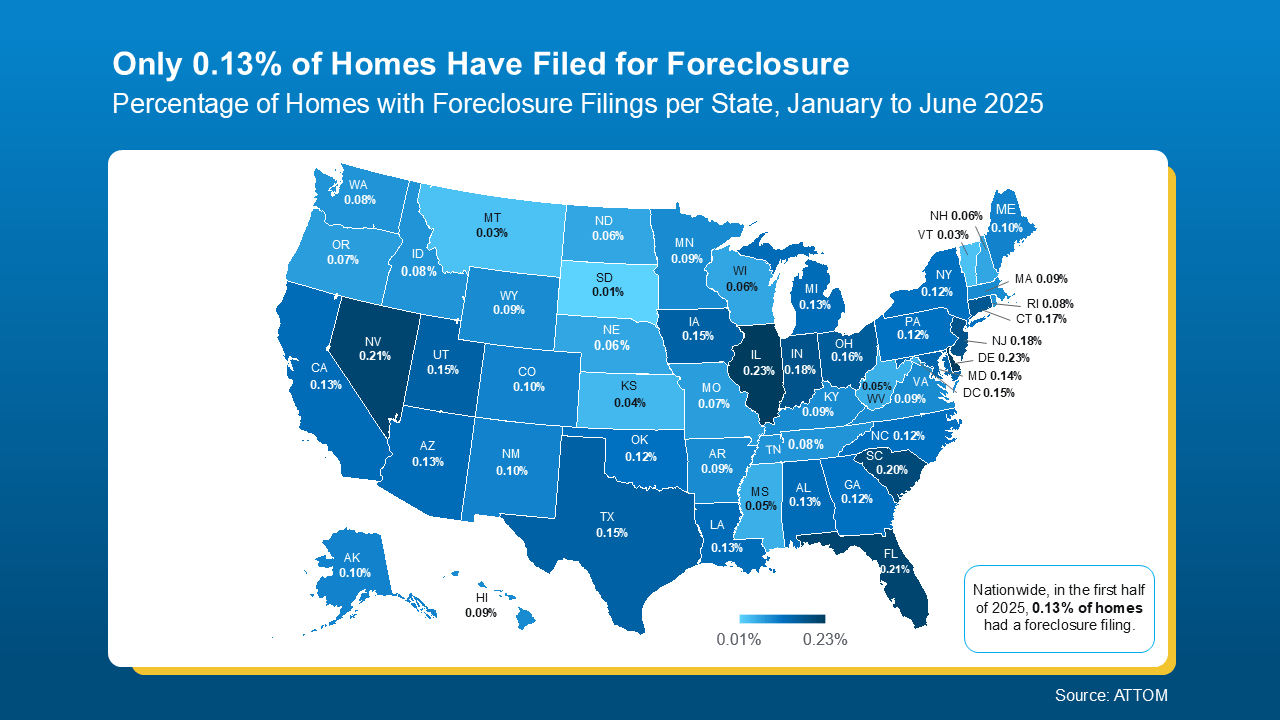 For context, data from ATTOM shows in the first half of 2025, 1 in every 758 homes nationwide had a foreclosure filing. Thats the 0.13% you can see in the map above. But in 2010, back during the crash? Mortgage News Daily says it was 1 in every 45 homes.